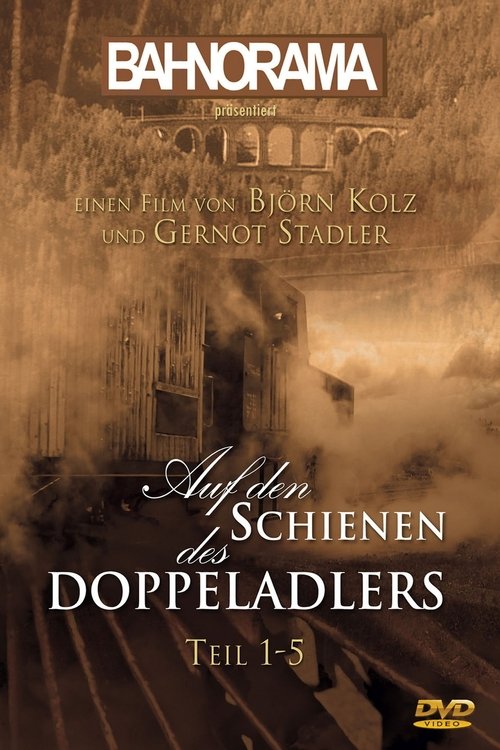
Auf den Schienen des Doppeladlers (2014)
The railway age in the Austrian Empire began with the construction of the horse-drawn railway from Linz to Budweis. Plans soon followed to connect the imperial capital of Vienna with the iron and coal deposits in northern Moravia and with the port city of Trieste. In 1837 the Kaiser Ferdinands Nordbahn was opened, in 1857 the Semmeringbahn planned by Karl Ritter von Ghega, overcoming one of the most difficult obstacles on the way to the Adriatic. The crossing of the Alps by train, such as over the Arlberg or the Brenner, is still considered a unique engineering masterpiece. The expansion of the railway network brought epochal changes. Goods and people circulated on an unprecedented scale – life accelerated. It had succeeded in connecting the northern crown lands such as Silesia or Bohemia and Moravia with Carinthia, Tyrol or the coastal region.
Movie Info
The railway age in the Austrian Empire began with the construction of the horse-drawn railway from Linz to Budweis. Plans soon followed to connect the imperial capital of Vienna with the iron and coal deposits in northern Moravia and with the port city of Trieste. In 1837 the Kaiser Ferdinands Nordbahn was opened, in 1857 the Semmeringbahn planned by Karl Ritter von Ghega, overcoming one of the most difficult obstacles on the way to the Adriatic. The crossing of the Alps by train, such as over the Arlberg or the Brenner, is still considered a unique engineering masterpiece. The expansion of the railway network brought epochal changes. Goods and people circulated on an unprecedented scale – life accelerated. It had succeeded in connecting the northern crown lands such as Silesia or Bohemia and Moravia with Carinthia, Tyrol or the coastal region.
Similar Shows

The King with Two Faces
2023

Trains That Changed the World
2018

How Trains Changed the World
2018

Die gefährlichsten Bahnstrecken der Welt
2021

The Railway: Keeping Britain On Track
2013

The 800 Million Pound Railway Station
2007
Great Continental Railway Journeys
2012

Around the World by Train With Tony Robinson
2019

Great British Railway Journeys
2010

Amazing Train Journeys
2011

Railroad Alaska
2013

Jonathan Phang's Gourmet Trains
2014
Royal Cousins at War
2014

David Jason: Planes, Trains and Automobiles
2019
Griff's Great Australian Rail Trip
2020

Spektakuläre Bergbahnen der Schweiz
2022
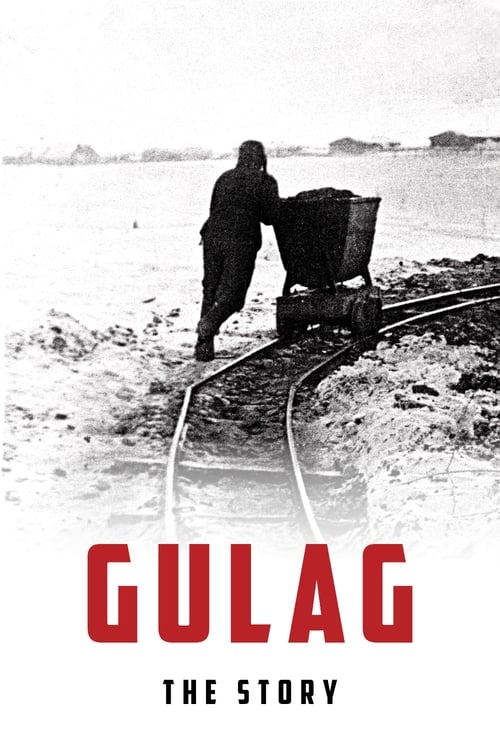
Gulag, the Story
2020

Night Trains
2026

Slow Train Through Africa with Griff Rhys Jones
2015

Train Cruise
2013