
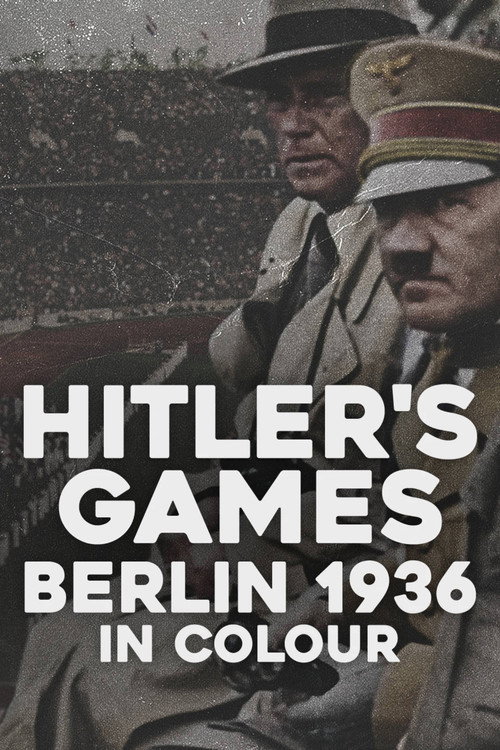
Hitler’s Games: Berlin 1936 in Colour (2026)
In 1931, Germany was awarded the Olympic Games in the hope this would draw them into the international community and world peace would be promoted through sport. For two weeks in August 1936 cameras captured the world’s greatest sporting spectacle, including the Gold Medal triumphs of record-breaking sprinter Jesse Owens. The Berlin Olympics were groundbreaking – many innovations introduced in 1936 such as television coverage and the torch relay became part of every subsequent Games. Hitler’s Games in Colour tells the story of the remarkable amateurs who excelled, but also how Hitler used the Games as propaganda for his brutal regime, to show the Nazis as benign and their military ambitions as modest. Using black and white archive, transformed by cutting-edge restoration and colourisation, this is the story of 16 days that fooled the world…
Movie Info
In 1931, Germany was awarded the Olympic Games in the hope this would draw them into the international community and world peace would be promoted through sport. For two weeks in August 1936 cameras captured the world’s greatest sporting spectacle, including the Gold Medal triumphs of record-breaking sprinter Jesse Owens. The Berlin Olympics were groundbreaking – many innovations introduced in 1936 such as television coverage and the torch relay became part of every subsequent Games. Hitler’s Games in Colour tells the story of the remarkable amateurs who excelled, but also how Hitler used the Games as propaganda for his brutal regime, to show the Nazis as benign and their military ambitions as modest. Using black and white archive, transformed by cutting-edge restoration and colourisation, this is the story of 16 days that fooled the world…
Similar Movies
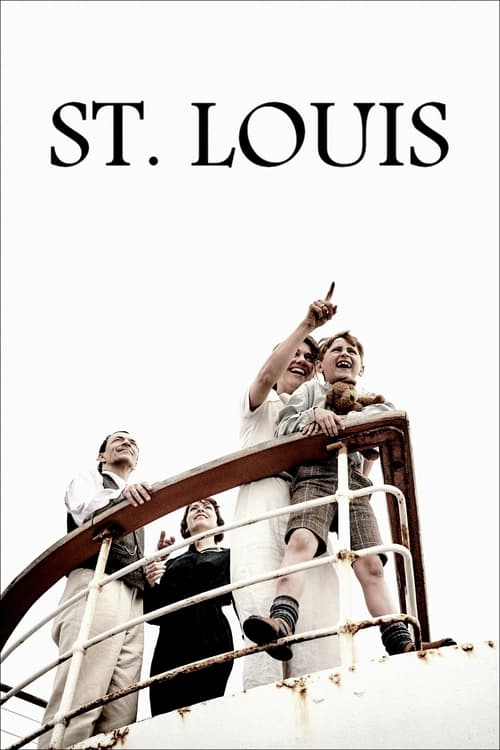
St. Louis
2019
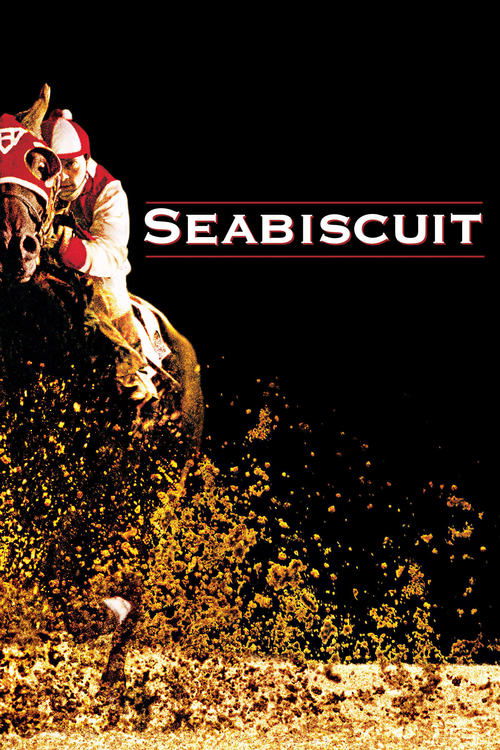
Seabiscuit
2003

M: Toru Muranishi - Wild Passionate Days
2019
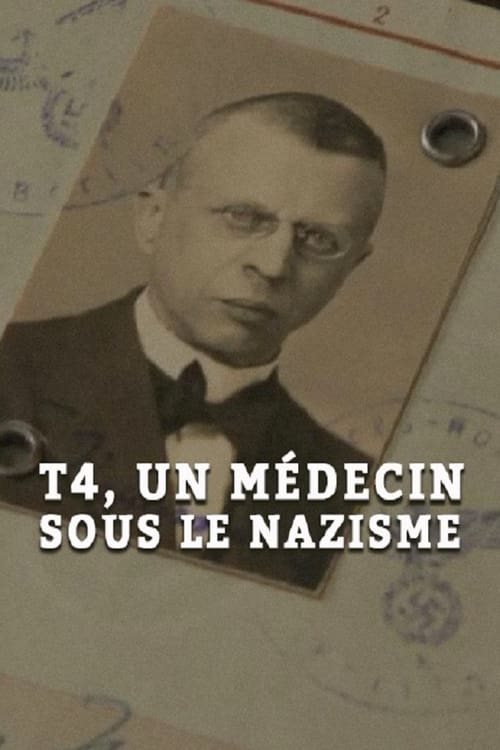
Operation T4: A Doctor Among the Nazis
2016
1900
1976

¿Por qué morir en Madrid?
1966

The Tulsa Lynching of 1921: A Hidden Story
2000

Bombshell: The Hedy Lamarr Story
2018
Becoming Cary Grant
2017

Lions for Lambs
2007

Pride & Attitude
2025
A Hero's Death
2001

The Last Jews of Baghdad: End of an Exile; Beginning of a Journey
2005
Tangerine Dream - Signals from the Schwäbischen Strasse
1976
Inferno: The Burning of the SS Morro Castle
2025
Made in Massachusetts
2024

Jane by Charlotte
2022
Personal Che
2007
1000 Years of Wellerstadt
2007

Frihed forpligter
1951