
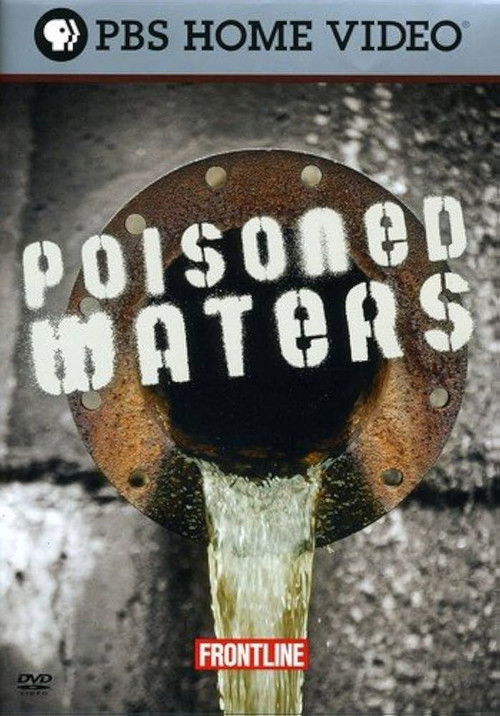
Poisoned Waters (2009)
More than two decades after the Clean Water Act was supposed to make America’s waters clean enough for swimming and fishing again, two iconic waterways — the great coastal estuaries of Puget Sound and the Chesapeake Bay — are in perilous condition. With polluted runoff still flowing in from industry, agriculture and massive suburban development, scientists fear contamination to the food chain and drinking water for millions of people. A growing list of endangered species is also threatened in both estuaries. As a new president, Congress and the states set new agendas and spending priorities, FRONTLINE correspondent Hedrick Smith examines the rising hazards to human health and the ecosystem, and why its so hard to keep our waters clean.
Movie Info
More than two decades after the Clean Water Act was supposed to make America’s waters clean enough for swimming and fishing again, two iconic waterways — the great coastal estuaries of Puget Sound and the Chesapeake Bay — are in perilous condition. With polluted runoff still flowing in from industry, agriculture and massive suburban development, scientists fear contamination to the food chain and drinking water for millions of people. A growing list of endangered species is also threatened in both estuaries. As a new president, Congress and the states set new agendas and spending priorities, FRONTLINE correspondent Hedrick Smith examines the rising hazards to human health and the ecosystem, and why its so hard to keep our waters clean.
Similar Movies

Live and Let Live
2013

You Think the Earth Is a Dead Thing
2019
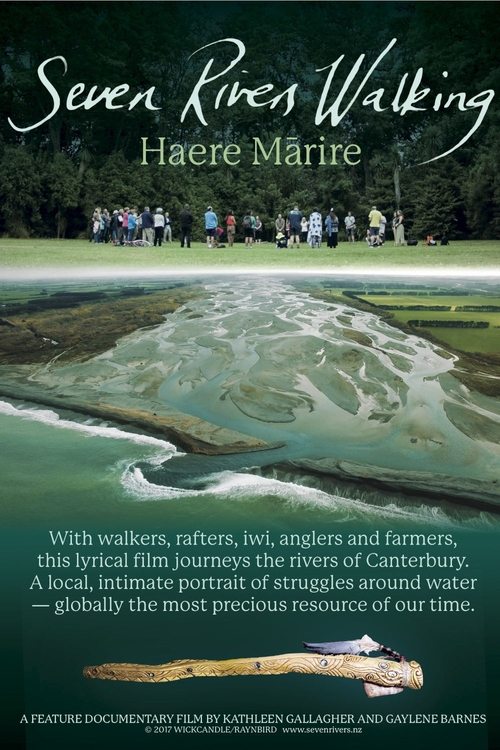
Seven Rivers Walking - Haere Mārire
2017

Killer Shark Vs. Killer Whale
2021

Total Disaster
2022

Sacred Cod: The Fight for a New England Tradition
2016

Shellmound
2004

Another Side of the Forest
1974

Cowspiracy: The Sustainability Secret
2014
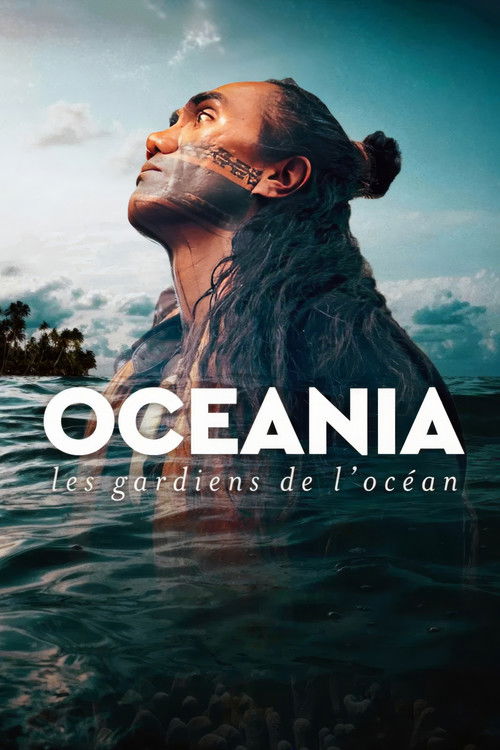
Océania, les gardiens de l'océan
2025

King Coal
2023
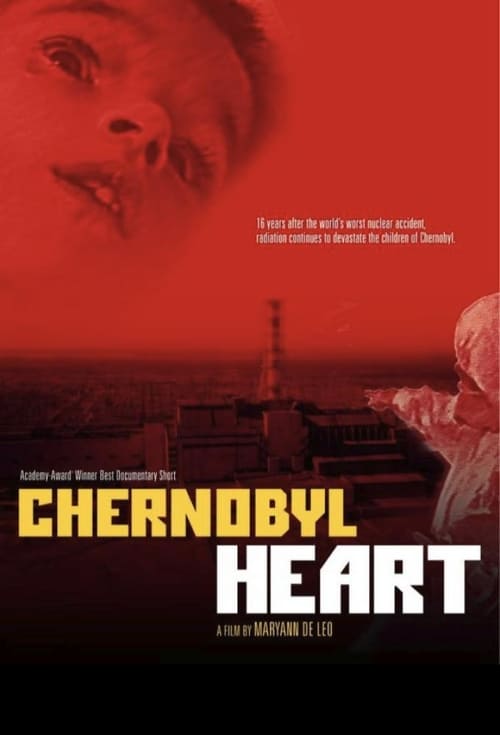
Chernobyl Heart
2003
Crude
2009
Aspen, 1970
1970

A Land Betrayed
1963
Atomic Africa: Clean Energy's Dirty Secrets
2013

The Dowsers
2020
The End of the Line
2009

Sur le Front des Océans
2019
The Water Cycle
1972