
Googie (2026)
Googie architecture was one of the most visually exuberant and culturally formative design movements of the mid-20th century, yet it remains widely misunderstood. Defined by bold angles, sweeping rooflines, neon signage, and a sense of space-age optimism, Googie transformed everyday buildings into roadside spectacle. Coffee shops, bowling alleys, car washes, banks, and churches were designed not just for function, but to captivate motorists cruising by. Rooted in Los Angeles, the movement drew inspiration from visionary architects such as Frank Lloyd Wright and John Lautner, while firms like Armet & Davis brought futuristic flair to the commercial landscape. Though many original structures have been lost, preservationists now champion Googie as a serious architectural expression—one that captured the aspirations of postwar America and reshaped the visual identity of the modern city.
Movie Info
Googie architecture was one of the most visually exuberant and culturally formative design movements of the mid-20th century, yet it remains widely misunderstood. Defined by bold angles, sweeping rooflines, neon signage, and a sense of space-age optimism, Googie transformed everyday buildings into roadside spectacle. Coffee shops, bowling alleys, car washes, banks, and churches were designed not just for function, but to captivate motorists cruising by. Rooted in Los Angeles, the movement drew inspiration from visionary architects such as Frank Lloyd Wright and John Lautner, while firms like Armet & Davis brought futuristic flair to the commercial landscape. Though many original structures have been lost, preservationists now champion Googie as a serious architectural expression—one that captured the aspirations of postwar America and reshaped the visual identity of the modern city.
Similar Movies
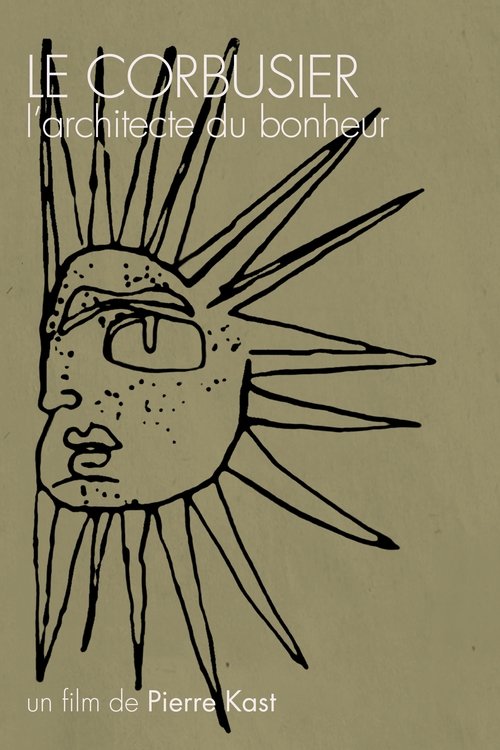
Le Corbusier, l'architecte du bonheur
1957

Hi, Mr. Gehry, I'm Marc From Arenys
2015

Frank Lloyd Wright's Buffalo
2006
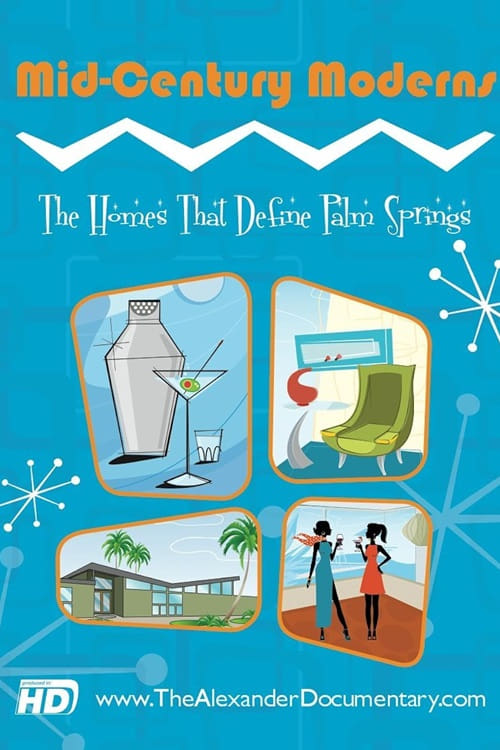
Mid-Century Moderns: The Homes That Define Palm Springs
2013
Grandma and Le Corbusier
Het Schip

Camadas das Águas Invisíveis
2021
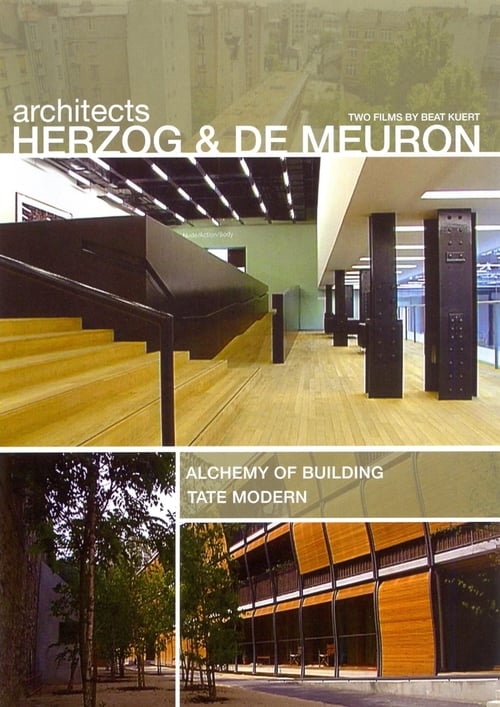
Architects Herzog and deMeuron: The Alchemy of Building & The Tate Modern
2001
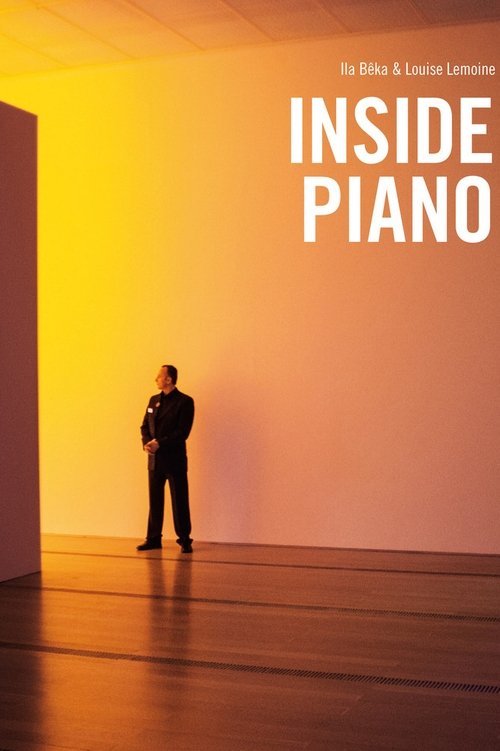
Inside Piano
2013

City of Dreams
2000
Heavy Architecture
2007
The Whisper of Ziggurat: Untold Secrets of Elamite Civilization
2020

The Architects
2014
Die Hugenottenstadt Erlangen. Eine der interessantesten Städteanlagen Deutschlands
1931
Mamani in El Alto
2022
Erlangen als historische Stadtanlage
1984
Noble and Mundane Prague
1949
Mysterium Gotik - Als die Kathedralen in den Himmel wuchsen
2021
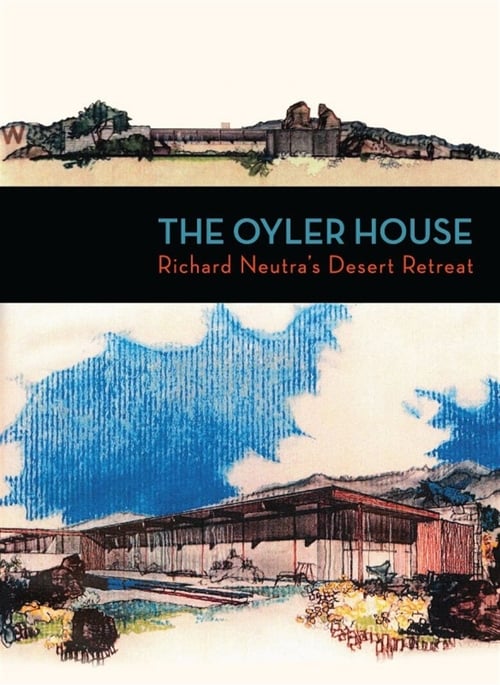
The Oyler House: Richard Neutra's Desert Retreat
2012

Uncommon Sense
2017