
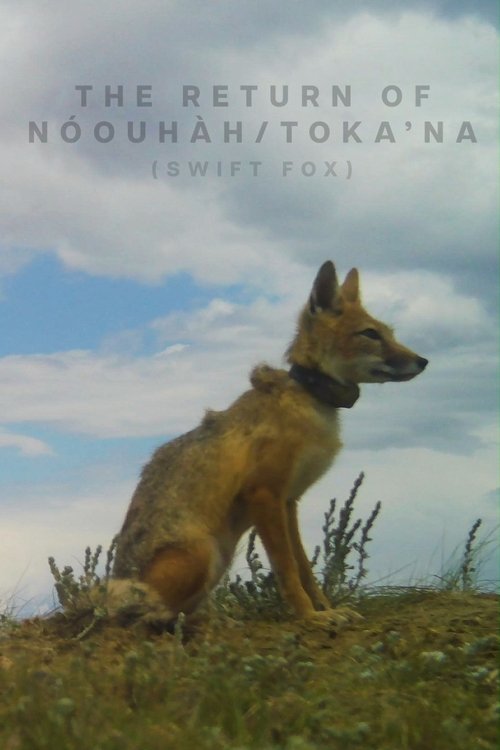
The Return of Nóouhàh-Toka’na (2024)
Nóouhàh-Toka’na, known as swift fox in English, once roamed the North American Great Plains from Canada to Texas. Like bison, pronghorn and other plains animals, Nóouhàh-Toka’na held cultural significance for the Native Americans who lived alongside them. But predator control programs in the mid-1900s reduced the foxes to just 10 percent of their native range. At the Fort Belknap Indian Community in Montana, members of the Aaniiih and Nakoda tribes are working with the Smithsonian’s National Zoo and Conservation Biology Institute and other conservation partners to restore biodiversity and return Nóouhàh-Toka’na to the land.
Movie Info
Nóouhàh-Toka’na, known as swift fox in English, once roamed the North American Great Plains from Canada to Texas. Like bison, pronghorn and other plains animals, Nóouhàh-Toka’na held cultural significance for the Native Americans who lived alongside them. But predator control programs in the mid-1900s reduced the foxes to just 10 percent of their native range. At the Fort Belknap Indian Community in Montana, members of the Aaniiih and Nakoda tribes are working with the Smithsonian’s National Zoo and Conservation Biology Institute and other conservation partners to restore biodiversity and return Nóouhàh-Toka’na to the land.
Similar Movies

Sweetheart Dancers
2019

BR Acima de Tudo
2021

Postcards from Indigenous Taiwan
2013

Namatjira Project
2017
Indian Rights for Indian Women
2018
Mother Earth’s Inner Organs
2022

Conservation and Recovery of the Scarlet Macaw in Mexico
2025
The Invention of the Other
2022

A Good Wolf
2024
Cidadão Jatobá
1987

Cornellskop: Freedom From Fear
2026

Contrary Warriors: A Film of the Crow Tribe
1985
Finding Manoomin
2024

Mankiller
2017

I Stand: The Guardians of the Water
2017

Katurãma: uma história de luta e resistência
2023
Eye of the Pangolin
2019

The Navel of the World
2024
A Pinto for the Prince
1979

No Word For Worry
2014