Namibia - Return to a New Country (1997)
Starting in 1979, nearly 2,000 children were evacuated from Namibia (and refugee camps in neighboring Angola and Zambia) to protect them from the violence of civil war between South Africa and the socialist liberation movement, SWAPO. In a gesture of allyship with SWAPO, the GDR accepted almost 500 children for their “protection, education, and socialist training.” In 1990, they were suddenly returned—after Namibia's independence and first all-race elections, which took place the same week as the Berlin Wall opened. The young people interviewed in this film reflect on the experiences of the Namibian children who spent their childhoods in East Germany, focusing especially on their sense of identity and the difficulties they faced fitting into society.
Movie Info
Starting in 1979, nearly 2,000 children were evacuated from Namibia (and refugee camps in neighboring Angola and Zambia) to protect them from the violence of civil war between South Africa and the socialist liberation movement, SWAPO. In a gesture of allyship with SWAPO, the GDR accepted almost 500 children for their “protection, education, and socialist training.” In 1990, they were suddenly returned—after Namibia's independence and first all-race elections, which took place the same week as the Berlin Wall opened. The young people interviewed in this film reflect on the experiences of the Namibian children who spent their childhoods in East Germany, focusing especially on their sense of identity and the difficulties they faced fitting into society.
Similar Movies
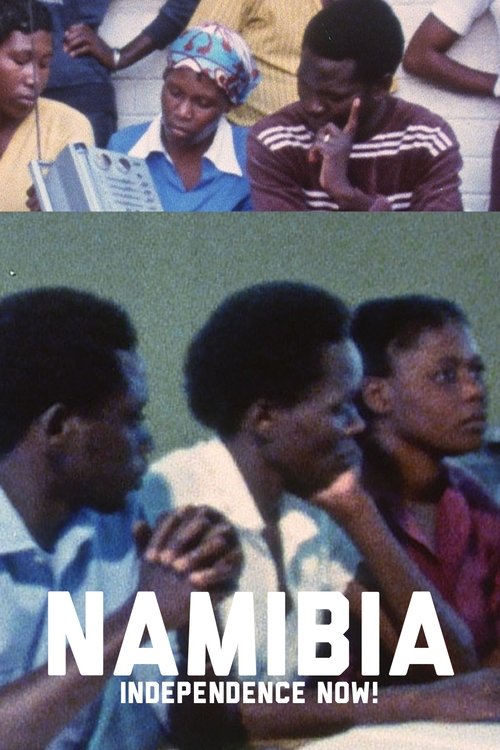
Namibia: Independence Now!
1985
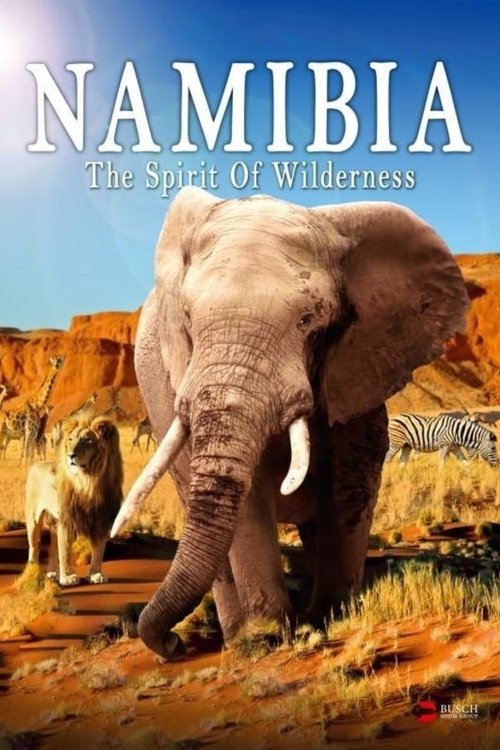
Namibia: The Spirit of Wilderness
2016
Africa Light / Gray Zone
2010

King of the Desert Lions
2018

Desert Lions of the Namib - Departure and Return
2017

Namibia's Bat-eared Foxes: Survivalists of the Desert
2007
Hyena Coast
2014
Yes-Ja! The Kwaito Documentary
2011

Desert Lions
2006

Honey Badger: Grit
2018

The Ossis of Namibia
2007
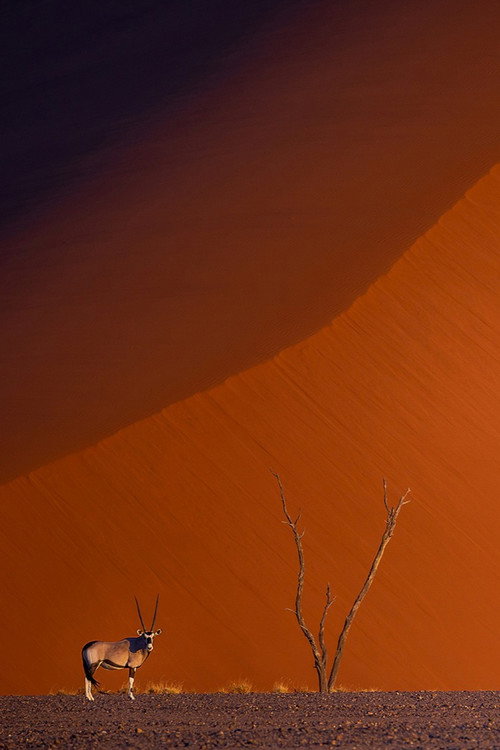
Namibie : exceptionnelle par nature
2026
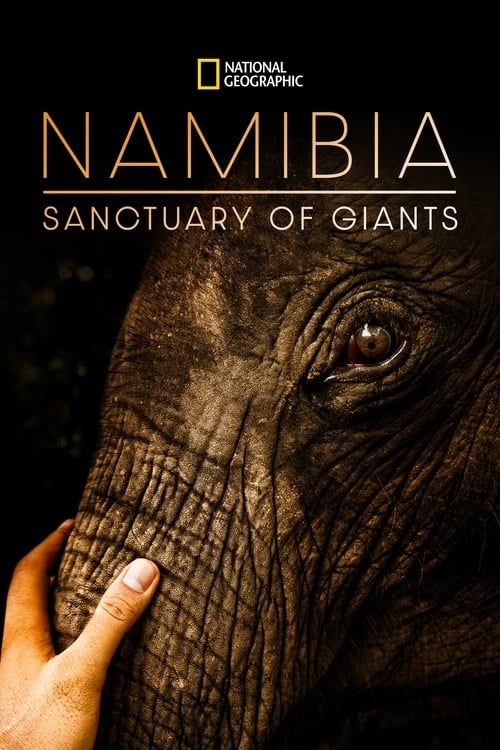
Namibia, Sanctuary of Giants
2017
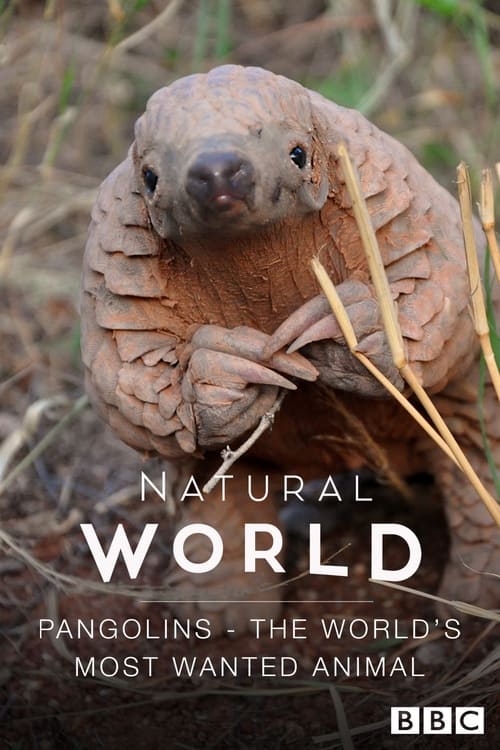
Pangolins: The World's Most Wanted Animal
2018
Namibia
2005

Wild Daze
2020
Liberation Struggle In Namibia
1974
Playing with Scorpions
1972

Cycling in Africa: Namibia
2017

Gangster Jackals
2016