
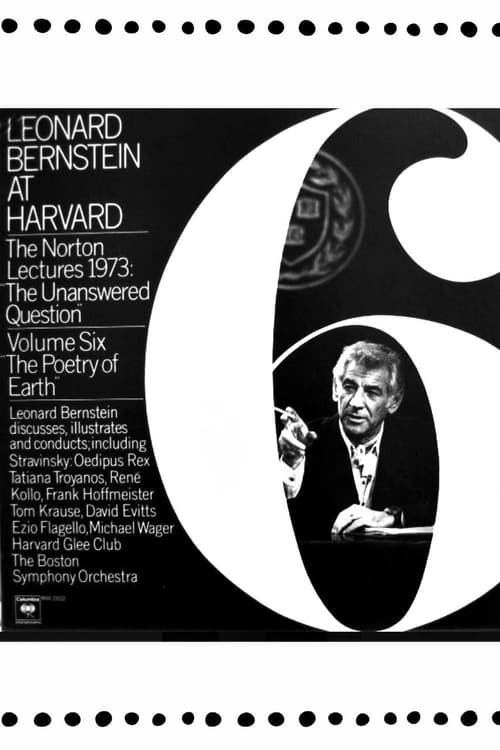
The Unanswered Question VI : The Poetry of Earth (1976)
"Bernstein at Harvard"
This series comprised six lectures on music, which cumulatively took the title of a work by Charles Ives, The Unanswered Question. Bernstein drew analogies to other disciplines, such as poetry, aesthetics, and especially linguistics, hoping to make these lectures accessible to an audience with limited or no musical experience, while maintaining an intelligent level of discourse: This lecture takes its name from a line in John Keats' poem, "On the Grasshopper and Cricket". Bernstein does not discuss Keats' poem directly in this chapter, but he provides his own definition of the poetry of earth, which is tonality. Tonality is the poetry of earth because of the phonological universals discussed in lecture 1. This lecture discusses predominantly Stravinsky, whom Bernstein considers the poet of earth.
Movie Info
This series comprised six lectures on music, which cumulatively took the title of a work by Charles Ives, The Unanswered Question. Bernstein drew analogies to other disciplines, such as poetry, aesthetics, and especially linguistics, hoping to make these lectures accessible to an audience with limited or no musical experience, while maintaining an intelligent level of discourse: This lecture takes its name from a line in John Keats' poem, "On the Grasshopper and Cricket". Bernstein does not discuss Keats' poem directly in this chapter, but he provides his own definition of the poetry of earth, which is tonality. Tonality is the poetry of earth because of the phonological universals discussed in lecture 1. This lecture discusses predominantly Stravinsky, whom Bernstein considers the poet of earth.
Similar Movies

A Techno Tragedy
2024

13 Halloween Musics on the Piano in Less Than 1min30
2022

Concert solidaire - Aidons l'Aude
2025

Twice Debut Showcase "Touchdown In Japan"
2017

Monteverdi: L'incoronazione di Poppea
2012

Even Hell Has Its Heroes
2023
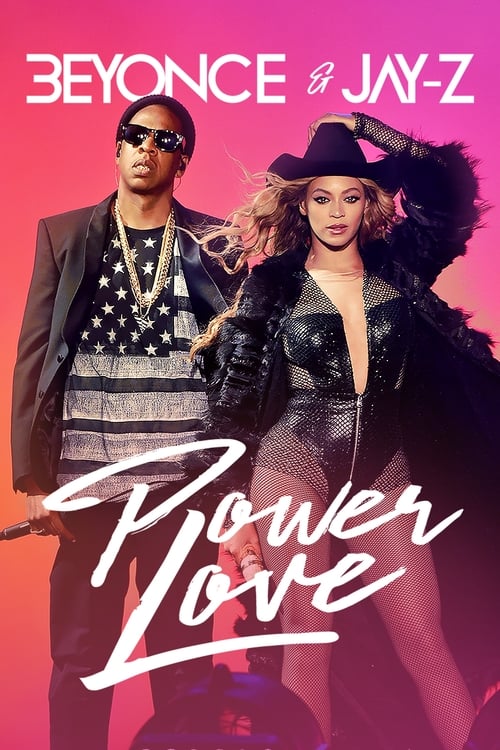
Beyonce & Jay-Z: Power Love
2021
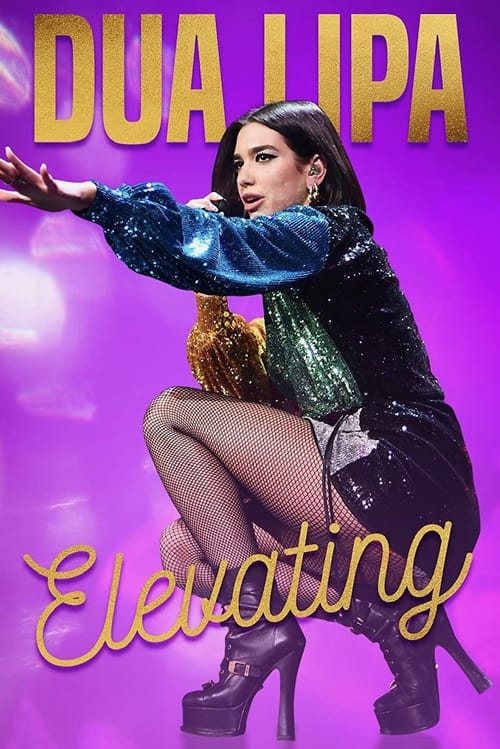
Dua Lipa: Elevating
2022

John Adams: The Gospel According to the Other Mary
2017
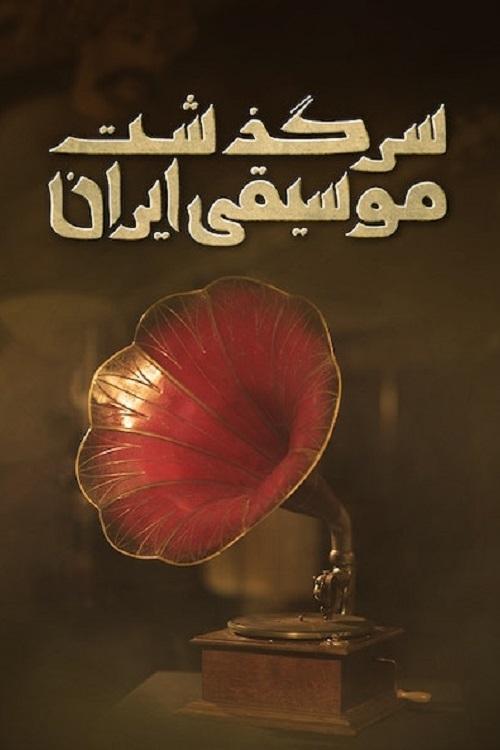
History of Persian Music: From ChoghaMish To ChehelSotoun
History of Persian Music: From Suleiman Shah To Reza Shah
2023
History of Persian Music: From Shah To Khomeini
2024

Carl. Der Live Musikfilm
2025

Norman Granz’ Jazz in Montreaux presents The Clark Terry Sextet ’77

SMTown Live in Tokyo 2011 (Special Edition)
2011
Rainald Grebe: Der Tod im Leben. Unheilbar krank zum größten Auftritt
2025
Radical Harmonies
2002

AURORA HAIK
2019

The Greatest Radio Station In The World
2022

Modà: Come in un film
2014