Paris Train Stations: Shaping the City (2020)
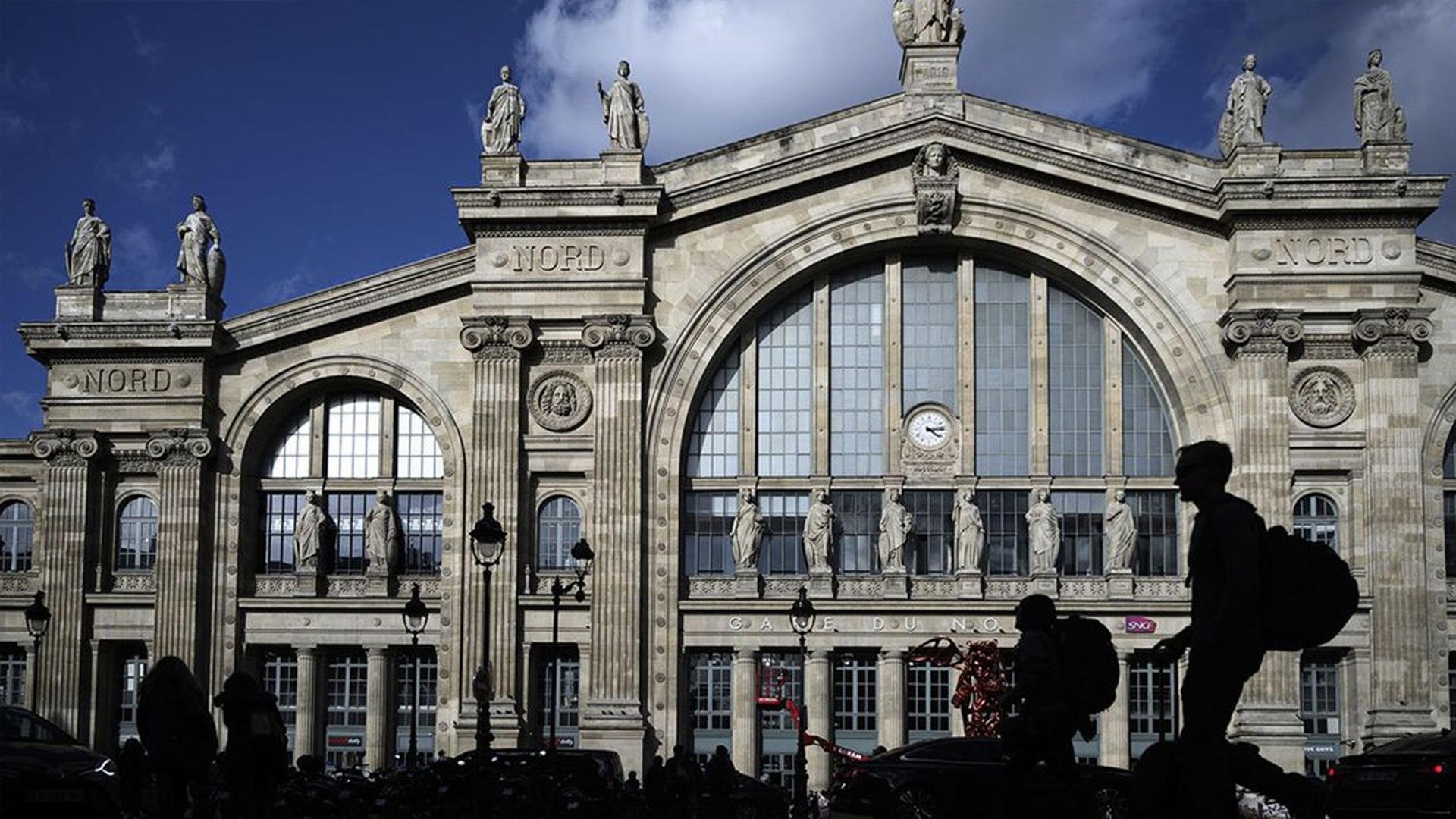
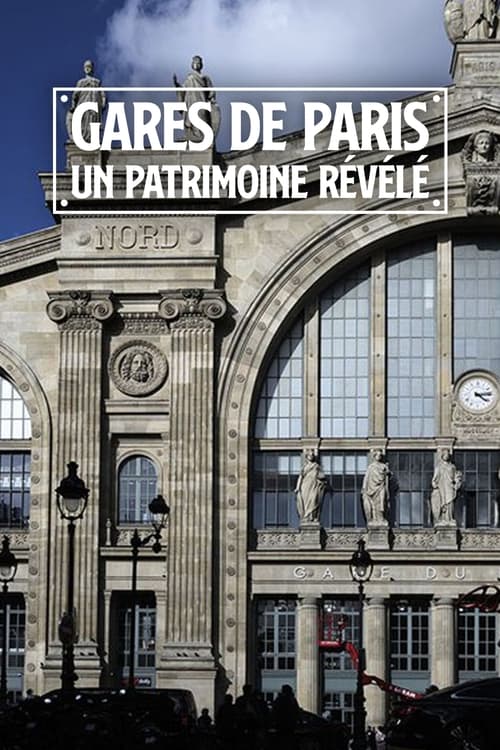
Every day, Paris’ six railway stations welcome over 3,000 trains and more than a million travelers coming from France and all over Europe. The stations’ sizes are impressive: Gare du Nord is bigger than the Louvre or Notre-Dame de Paris. These railway stations are architectural landmarks and a model of urban planning despite the radical changes they’ve undergone since their construction in the middle of the 19th century. How did the railway stations manage to absorb the boom of travelers in just a few decades? What colossal works were necessary to erect and then modify these now essential buildings? From the monumental glass walls of Gare du Nord to the iconic tower of Gare de Lyon, to the first-ever all-electric train station, each has its own story, technical characteristics, and well-defined urban image.
Movie Info
Every day, Paris’ six railway stations welcome over 3,000 trains and more than a million travelers coming from France and all over Europe. The stations’ sizes are impressive: Gare du Nord is bigger than the Louvre or Notre-Dame de Paris. These railway stations are architectural landmarks and a model of urban planning despite the radical changes they’ve undergone since their construction in the middle of the 19th century. How did the railway stations manage to absorb the boom of travelers in just a few decades? What colossal works were necessary to erect and then modify these now essential buildings? From the monumental glass walls of Gare du Nord to the iconic tower of Gare de Lyon, to the first-ever all-electric train station, each has its own story, technical characteristics, and well-defined urban image.
Similar Movies

L'arnaqueur de Paris : Mensonges et gastronomie
2026

The Great North
2024
Soviet Bus Stops
2024
Luc Durand Leaving Delhi
2019
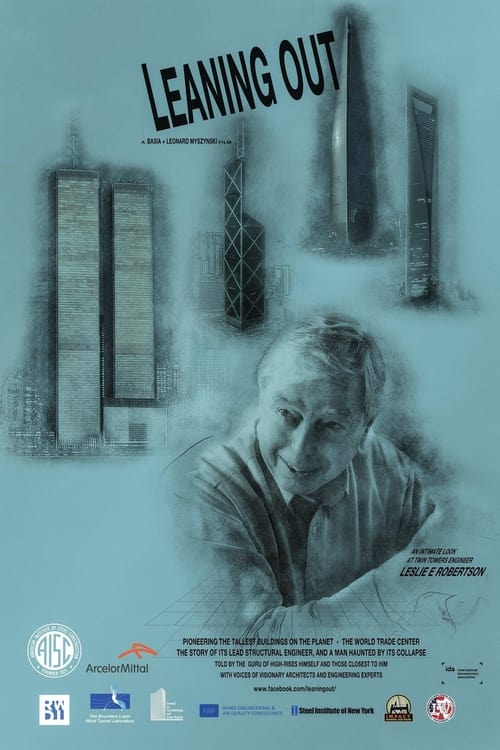
Leaning Out - An Intimate Look at Twin Towers Engineer Leslie E Robertson
2018
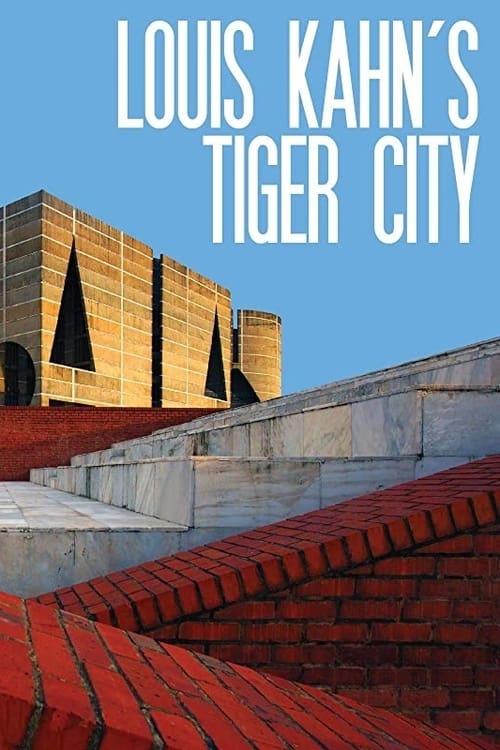
Louis Kahn's Tiger City
2019
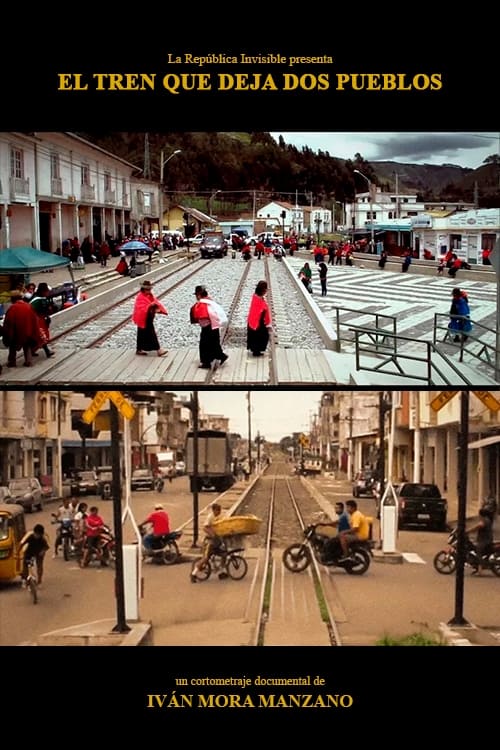
Train leaves two towns
2016

The Architects of Hope: The First Steps in Rebuilding Ukraine
2024
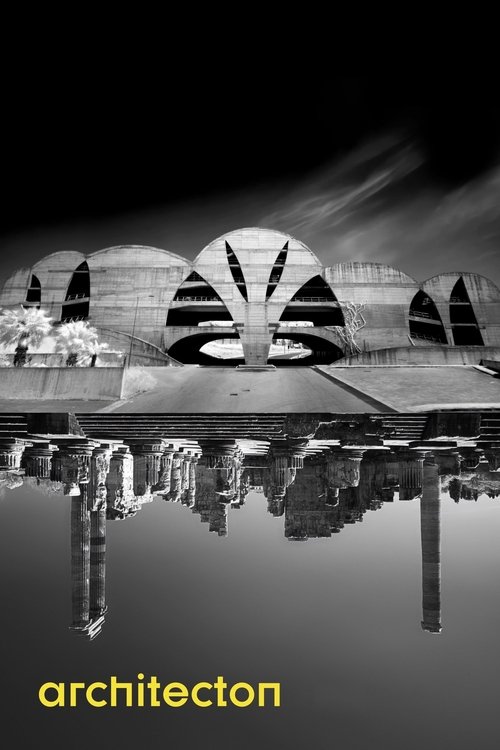
Architecton
2024

France 1939: One Last Summer
2019
The Gateway Arch: A Reflection of America
2006
Marqueetown
2024
Mon Clown
2008
Fallingwater: Frank Lloyd Wright's Masterwork, with Reflections by Edward Kaufmann jr.
2011

L'Adieu à Solférino
2019

Le Mural
2024
Noble and Mundane Prague
1949
Mysterium Gotik - Als die Kathedralen in den Himmel wuchsen
2021
Kroměříž
1949
The Smuggler and Her Charges
2016